
Basic Life Support Certification vs CPR: Understanding Key Differences. Compare Basic Life Support Certification vs CPR. Discover key differences & save lives with confidence.

Gaining clarity on Basic Life Support Certification vs CPR: Understanding Key Differences helps ensure you choose the right training path for effective emergency response. Whether you work in healthcare or want vital skills for everyday emergencies, this detailed guide covers practical advice, real-life examples, & actionable tips to strengthen your confidence in critical situations.
Importance of Basic Life Support Certification
-
Enhanced Skill Set
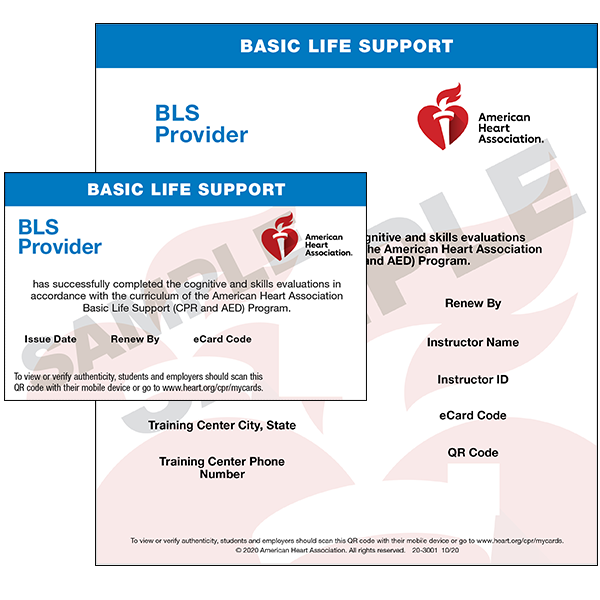
Basic Life Support (BLS) certification extends beyond chest compressions, equipping learners with airway management, use of barrier devices, & recognition of cardiac emergencies.
-
Professional Recognition
BLS is often mandatory for healthcare providers, ensuring you meet institutional standards & legal requirements for patient care.
-
Structured Curriculum
BLS courses follow a standardized curriculum approved by leading organizations, offering continuity & verified competency across regions.
-
Team Coordination
This certification trains you in team dynamics, improving communication & role delegation during high-stress scenarios.
-
Updated Guidelines
Regular renewals keep you aligned with current resuscitation science, ensuring your techniques remain effective.
Fundamentals of CPR Training
| Aspect | CPR Focus |
|---|---|
| Primary Actions | Chest compressions & rescue breaths |
| Target Audience | General public & workplace programs |
| Duration | Often shorter, around 2–3 hours |
| Assessment | Basic practical demonstration |
| Renewal Interval | Every 1–2 years |
Curriculum & Skill Requirements
-
Comprehensive Coverage
BLS delves into advanced airway management, use of automated external defibrillators (AEDs), & algorithms for adult, child, & infant resuscitation cycles.
-
CPR Essentials
CPR courses focus on critical compressions, breath ratios, & simple AED operation without advanced airway devices.
-
Scenario-Based Learning
Participants practice in realistic simulations, reinforcing decision-making under pressure.
-
Theory vs Practice
BLS courses dedicate more time to theory & credentialing exams, whereas basic CPR centers on hands-on practice.
-
Skill Proficiency
Instructors assess precision in timing, depth of compressions, & proper device handling for both certifications.
Certification Process & Validity
| Step | BLS Certification | CPR Certification |
|---|---|---|
| Enrollment | Requires pre-course reading & online modules | Typically instructor-led with optional online pretest |
| Written Exam | Multiple-choice questions | Basic knowledge check |
| Skills Test | Comprehensive evaluation with manikins | Shorter practical demo |
| Validity | Two years | One to two years |
| Renewal | Hands-on re-evaluation | Practical refresh |
“Mastering both certifications can significantly enhance confidence in life-threatening emergencies.” – Sabina Boyle IV
Hands-On Practice & Simulation
-
Realistic Scenarios
High-fidelity manikins recreate pulse, breathing, & airway challenges to prepare you for actual emergencies.
-
Feedback Devices
Modern training tools measure compression depth & rate, ensuring immediate correction for improved technique.
-
Peer Evaluation
Working in pairs or teams, you observe & guide each other to refine communication & teamwork skills.
-
Instructor Guidance
Certified instructors provide personalized coaching, helping you adjust posture, hand placement, & timing.
-
Emergency Drills
Practice code blue simulations under time pressure to develop rapid decision-making & stress management.
Application in Healthcare & Public Settings
| Setting | BLS Role | CPR Role |
|---|---|---|
| Hospitals | Core skill for nurses, doctors, EMTs | Supplemental training for non-clinical staff |
| Schools | Staff preparedness & AED use | Basic emergency response for teachers |
| Fitness Centers | Full program for trainers | Public workshops |
| Community Events | Volunteer first responders | General attendee education |
| Workplaces | Mandated for high-risk roles | Office safety sessions |
Cost, Time Investment, & Accessibility
-
Course Fees
BLS often costs more due to extended duration & instructor expertise, while CPR classes tend to be more budget-friendly.
-
Duration
Expect 4–6 hours for BLS, compared to 2–3 hours for a standard CPR session.
-
Scheduling
Many providers offer evening or weekend slots; online blended options can reduce in-class time.
-
Geographic Reach
Major training centers & hospitals commonly host BLS, while CPR workshops appear in community centers & workplaces.
-
Group Discounts
Both course types often provide reduced rates for organizations enrolling multiple participants.
I have personally completed both certifications, & in my experience, earning the BLS credential deepened my knowledge of airway management & team coordination, whereas basic CPR training gave me immediate confidence to assist in everyday emergencies.
Conclusion
Choosing between BLS & CPR training hinges on your role & the depth of skill required. Basic Life Support Certification vs CPR: Understanding Key Differences shows that BLS suits healthcare professionals seeking comprehensive competence, while CPR courses serve public responders & workplace safety programs. Both pathways save lives, so align your choice with your responsibilities & readiness to act in critical moments.
Frequently Asked Questions
What is the main difference between BLS & CPR certifications?
Basic Life Support Certification covers advanced airway techniques, AED use, & team-based resuscitation, while CPR certification focuses on chest compressions & rescue breaths for lay rescuers.
How long does it take to complete BLS certification?
Most BLS courses run between 4 & 6 hours, including online modules, instructor-led sessions, & skill evaluations.
Can non-medical professionals get BLS certified?
Yes, many organizations offer BLS training for non-clinical staff, community volunteers, & public safety personnel.
Is CPR training enough for healthcare providers?
Healthcare roles typically require BLS over basic CPR, as it ensures proficiency in more complex resuscitation procedures.

