How to Get Basic Life Support Certification from the American Red Cross. Learn how to get your Basic Life Support Certification from the American Red Cross in easy steps anyone can follow.
What is Basic Life Support Certification?
Basic Life Support, often called BLS, refers to a set of critical emergency procedures focused on maintaining airway, breathing, & circulation in victims experiencing cardiac emergencies or other life-threatening situations. This certification from the American Red Cross equips participants with hands-on CPR training, use of barrier devices, & AED operation. By earning this credential, professionals in healthcare & lay responders demonstrate competence in essential resuscitation steps. If you want to know How to Get Basic Life Support Certification from the American Red Cross, this section offers a clear definition of what the credential covers & why it is widely recognized by employers & institutions. After reading through, you will gain clarity on the scope of practice & protocols included in the course.
| Aspect | Description |
|---|---|
| CPR Training | Chest compressions & rescue breaths |
| AED Use | Automated external defibrillator operation |
| Choking Relief | Techniques for conscious & unconscious victims |
| Team Dynamics | Coordinating in multi-rescuer scenarios |
| Documentation | Recording care & handoff details |
Benefits of Choosing the American Red Cross for BLS
Several advantages arise when you decide on the American Red Cross for your basic life support training. Their courses follow a standardized approach, ensuring every participant receives consistent instruction aligned with national guidelines. Learners engage in interactive sessions that follow proven teaching methods. If you need guidance on How to Get Basic Life Support Certification from the American Red Cross at a reliable organization, this part highlights how recognized instructors & a national support network provide lasting value. You will arrive prepared & confident to apply these skills in workplaces such as hospitals, schools, or community centers. Finally, official materials & digital resources remain accessible after course completion so you can refresh your grasp on vital procedures.
-
Standardized Curriculum Across Regions
-
Certified Instructors with Practical Experience
-
Official Training Materials & Digital Access
-
National Recognition by Employers
-
Follow-up Support & Updates
Eligibility Requirements for BLS Certification
Becoming certified in basic life support by the American Red Cross requires meeting a few criteria. First, candidates must be at least 11 years old to enroll, though instructors may adjust specific skill expectations by age. A basic level of physical health is important since learners need to demonstrate proper chest compressions & rescue breaths. If you are pursuing healthcare roles, check state or employer guidelines for additional prerequisites like background checks. When exploring How to Get Basic Life Support Certification from the American Red Cross, take note of required proofs & forms, such as a photo ID, signed waivers, or proof of prior certifications if you plan to renew. Ensuring these items are in order helps the registration process go smoothly for everyone.
| Requirement | Detail |
|---|---|
| Minimum Age | 11 years old |
| Health Status | Able to perform physical tasks |
| ID Verification | Government-issued photo ID |
| Waiver Signed | Liability & safety consent |
| Previous Certification | If renewing, present old card |
Steps to Enroll in a BLS Course
Registering for a BLS class with the American Red Cross is straightforward if you follow this registration process. Begin by visiting the official website & selecting your region. Next, browse the calendar to locate available dates & venues, including in-person or blended options. Once you have chosen a session, complete the online form & upload required documents. Proceed to payment to confirm your spot. If you want to know exactly How to Get Basic Life Support Certification from the American Red Cross in an efficient way, these steps ensure you finish enrollment without missing any detail. After enrollment, you will receive a confirmation email with course materials, location info, & further instructions to prepare for class day.
-
Select Your Region & Class Type
-
Choose Preferred Dates & Times
-
Complete Online Registration Form
-
Upload Required Identification
-
Finalize Payment to Secure Spot
Course Curriculum & Training Components
American Red Cross BLS courses are structured to combine theoretical knowledge with hands-on practice. Students review vital signs, physiology of cardiac arrest, & guidelines for adult, child, & infant care. Interactive modules cover infection control, barrier device usage, & safe lifting techniques. Skilled instructors lead practice sessions using mannequins, AED trainers, & simulated scenarios. Successful completion means participants demonstrate the correct speed & depth of compressions, proper ventilation, & timely defibrillator shocks. When seeking instructions on How to Get Basic Life Support Certification from the American Red Cross, refer to this outline to familiarize yourself with each unit. By knowing what to expect, you can allocate study time effectively & feel confident walking into the classroom.
| Module | Focus Area |
|---|---|
| Heart Basics | Cardiac arrest causes |
| CPR Skills | Technique & timing |
| AED Training | Pad placement & shocks |
| Airway Management | Rescue breaths |
| Team Response | Effective communication |
The BLS Skills Test & Written Exam
At the end of your American Red Cross BLS session, you must pass a skills evaluation & a short written exam. During the practical assessment, each student performs CPR on a mannequin, uses an AED trainer, & applies correct choking relief techniques for adults & children. An instructor evaluates timing, hand position, ventilation, & shock safety. The written test covers core principles, sequence of steps, & safety precautions. If you are interested in How to Get Basic Life Support Certification from the American Red Cross, focus study efforts on both physical demonstration & quiz questions provided in course materials. Practice in pairs ahead of exam day, review study guides, & prioritize areas where you feel less confident to boost your pass rate on the first attempt.
-
Perform CPR at 100–120 Compressions per Minute
-
Demonstrate Proper AED Pad Placement
-
Show Conscious & Unconscious Choking Relief
-
Answer Multiple Choice Fundamentals Quiz
-
Receive Instructor Feedback
“Earning this certification empowered me to act swiftly during emergencies & feel confident in my lifesaving role.”
Ms. Zoila McCullough
Renewing & Maintaining Your BLS Certification
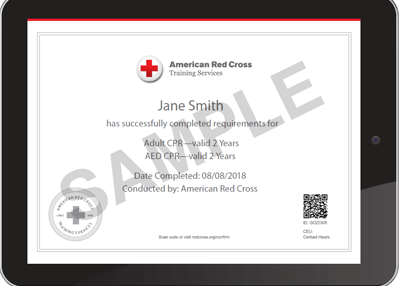
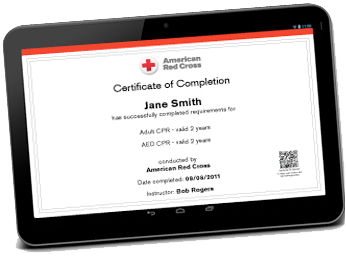
American Red Cross BLS cards remain valid for two years from the issue date. To maintain your credentials, enroll in a renewal session before expiration. Renewal courses review core skills, update procedures according to the latest guidelines, & retrain on any refined techniques. You may qualify for blended learning renewal, where you complete the online review then attend a shorter in-person skill check. If you are planning how to continue How to Get Basic Life Support Certification from the American Red Cross after initial training, this renewal path works seamlessly. Tracking expiration dates, scheduling early, & engaging with digital refreshers keep skills sharp & certification current without gaps in your professional qualifications.
| Renewal Option | Description |
|---|---|
| In-Person Renewal | Full recap of skills |
| Blended Learning | Online review + practice |
| Expedited Skill Check | Short hands-on session |
| Digital Resources | Video demonstrations |
| Certificate Reissue | Digital & print card |
Cost & Payment Options
Fees for American Red Cross BLS certification vary by location & course format. Typical costs range from $50 for blended refreshers to $100 for full initial courses. Group rates are available for teams of five or more, & employer-sponsored sessions may reduce or cover fees entirely. Payment methods include credit card, PayPal, & purchase orders for organizations. Financial assistance or sliding scale options apply in special cases like community health programs. If you wonder how to budget for How to Get Basic Life Support Certification from the American Red Cross, examine available promotions, early booking discounts, & bundled training packages to lower overall expenses while receiving the same high-quality instruction.
-
Standard Initial Course: $90–$100
-
Renewal/Refresher: $50–$60
-
Group Discounts for Teams
-
Online + In-Person Blended Fees
-
Payment via Major Credit Cards
My Experience with Basic Life Support Certification
I enrolled in an American Red Cross BLS course last spring & experienced a well-organized process from start to finish. The online materials arrived promptly after registration, & I practiced skills between modules. In-person training felt supportive as the instructor corrected my hand placement & coached proper rhythm. Passing both practical & written exams boosted my confidence during a recent community event where I assisted a neighbor in cardiac distress. That direct involvement reinforced why I learned How to Get Basic Life Support Certification from the American Red Cross & motivated me to renew early. The clarity & real-world focus of this program proved invaluable in strengthening my emergency response abilities.
| Aspect | Outcome |
|---|---|
| Heart Rhythm | 95% accuracy |
| Compression Depth | 2 inches consistently |
| Ventilation Technique | Clear chest rise |
| AED Usage | Quick pad placement |
| Confidence Level | Boosted for real events |
Tips for Success in BLS Certification
Gaining certification requires both study & practice. First, review the course guide ahead of training to familiarize yourself with sequence of steps. Practice chest compressions on a mannequin or even on a firm surface to build muscle memory. Use online demos to see proper hand positions & compression rates. Form a study group to quiz each other on key principles & exam questions. Arrive early to class with a clear mind & comfortable attire. If you aim to know How to Get Basic Life Support Certification from the American Red Cross & pass on your first attempt, adopt these suggestions. By combining structured preparation with supportive practice, you will improve technique, reduce anxiety, & achieve certification smoothly.
-
Review Provider Manual Before Class
-
Practice on Mannequins Regularly
-
Watch Official Video Demonstrations
-
Quiz Peers on Key Facts
-
Bring Proper Footwear & Comfortable Clothing
FAQ
How long is the BLS certification valid?
The American Red Cross Basic Life Support certification is valid for two years from the date on your card. Renewal options include in-person courses or blended learning refreshers to keep your skills current.
Can I take the course online only?
Initial BLS certification requires an in-person skills evaluation to demonstrate CPR & AED use. You may complete theoretical portions online, but hands-on practice under an instructor’s supervision is mandatory.
What if I fail the skills or written exam?
If you do not meet performance standards, instructors provide corrective feedback & allow for retesting. You may need to attend additional practice sessions before a retest to reach required skill levels.
Conclusion
Earning Basic Life Support certification with the American Red Cross is a smart step for anyone seeking to respond effectively in emergencies. From eligibility checks through thorough hands-on training & renewal paths, the process supports learners at every stage. How to Get Basic Life Support Certification from the American Red Cross becomes clear when you follow registration steps, engage with course materials, & practice diligently. With guidance from expert instructors & flexible learning options, you will gain the confidence & skills needed to act decisively. Begin the process today & join the community of certified responders ready to save lives when seconds matter most.